The Ghost in the Machine
by Leo Moraes
It wasn’t long ago that you could walk into a grocery store and have no idea what was actually in your food. Was that watermelon genetically modified? Were those vegetables sprayed with something you couldn’t pronounce? The fight for organic labeling took years, but it created something essential: transparency. We find ourselves in the exact same place with music right now. It’s becoming nearly impossible to tell the difference between a song written by a human after years of heartbreak and practice, and a song generated by a machine in seconds from a text prompt. Artists made of flesh and blood versus artists made of prompts. So this week we’re announcing something new: Played By Humans, a free certification tool that lets musicians prove their humanity. But first, we need to talk about why this matters. The flood of AI-generated content drowning out real artists in the streaming economy. And finally, we’ll leave you with a few questions we’ve been asking ourselves, because transparency isn’t just about labels. It’s about conversation.
Introducing Played By Humans
This week, in partnership with TBWA/Chiat/Day/LA, we are proud to launch an initiative that puts power back into the hands of artists and listeners: Played By Humans.
We are offering a tool—completely free—that allows musicians to certify their work. By uploading your music, you can secure a blockchain-protected certificate verifying that your output was created by human(s). This certification helps distinguish your work in a sea of algorithmic content, ensuring that fans who value human artistry can find you.
You can find the tool and more information about what qualifies as AI music at www.jazzisdead.com/playedbyhumans.
Think of it as the “Organic” label for music. It is a certification that the music you are listening to was made by human beings—written, performed, and shaped by people, not prompts. This is not an anti-AI movement; it is a pro-human movement. It’s about transparency. It’s about letting the listener decide if they want their money to support human creativity.
And if listening to AI or creating music with AI is your thing, right on, do your thing. Played By Humans is built on the simple notion that just like you deserve to know what you’re eating (Organic vs. GMO), you also deserve to know what you’re listening to.
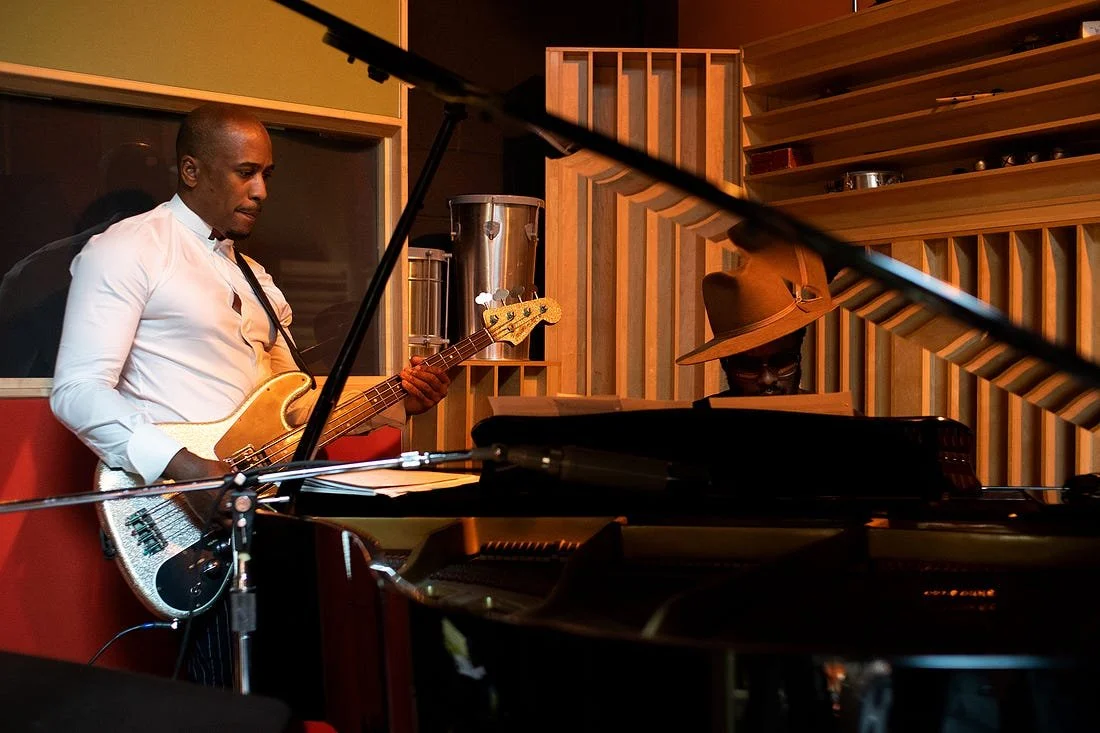
Who Owns the Music When No One Played It?
There’s a quiet revolution happening in the world of sound, and it’s not happening in the recording studio. It’s happening in a courtroom, on a server farm, and in the fine print of your streaming service bill.
For decades, the question of authorship in music was simple: if you composed the music, wrote the melody or lyric, played the instrument, or sang the song, you were the creator. But we’ve entered an era where a machine can generate a convincing jazz solo, a classical concerto, or a pop hit from a simple text prompt. This raises a fundamental question that strikes at the heart of what we consider art: Is prompting enough to claim authorship of a song?
Legally, the answer (at least for now) is a firm no. The Supreme Court recently declined to hear Thaler v. Perlmutter, leaving intact the DC Circuit’s ruling that “human authorship is a bedrock requirement of copyright.” A work generated entirely by artificial intelligence, with no human hand in the traditional elements of authorship, cannot be copyrighted. You cannot own the output of a machine in the same way you own a piece of your own soul committed to tape.
But legality is only half the story. While the courts debate philosophy, the streaming economy is facing a very real financial crisis that directly impacts the artists we cherish. And AI is acting as a multiplier to an already broken system.
Consider this: in early 2026, Deezer reported that up to 39% of new uploads to the platform were AI-generated—roughly 60,000 tracks per day. The same platform found that up to 85% of fully AI-generated music streams on its service may be fraudulent. That is an astonishing amount of AI slop—music made almost entirely by machines—gaming virtually every aspect of the system, and it’s having a significant and growing financial impact on actual living, breathing artists.
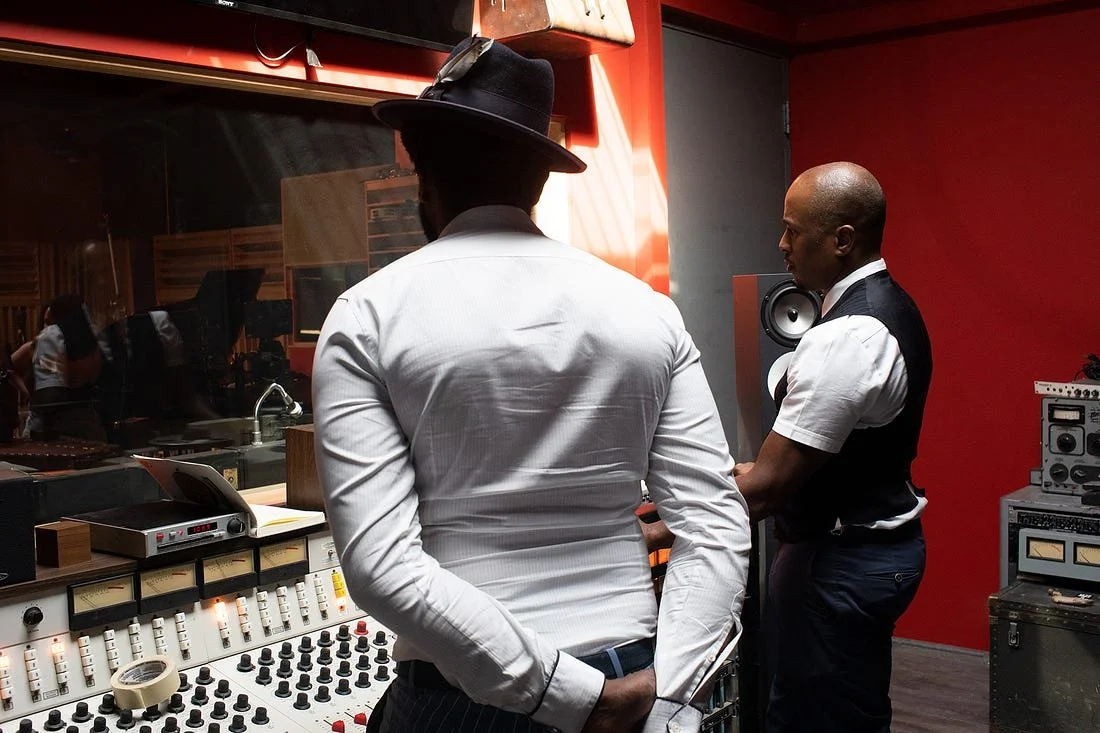
Questions Worth Asking
Which brings us to a few questions worth sitting with.
If a song is generated by a machine and streamed millions of times by bots, who is actually being compensated, and for what?
If AI can replicate the sound of a lifetime of human experience in seconds, what happens to the value of that lifetime?
And perhaps most importantly: in a world where technology can produce art at scale, how do we ensure that the systems built to support creativity don’t end up suffocating it?
We don’t fear the future. But we do believe that both legislation and systems need to adjust to technological advances to make them serve humanity, not just the corporations behind them. In an age where anyone can generate a jazz song with a keystroke, perhaps the most radical thing you can do is prove you actually played it.
If Played By Humans does anything, it’s our hope that it creates awareness, establishes transparency, and encourages more thought and more discussion around how AI and technology are magnificent tools that we need to take and maintain control of. So we don’t wake up one day in a world where humans are no longer in control of our destiny. Creative or otherwise.
Visit us at jazzisdead.com and linearlabsmusic.com