THE MOUNTAIN AND THE STEAK
Why Process Matters in the Age of AI
In 2003, the American band The White Stripes did something that turned heads in the music industry. They released an album called Elephant, and on the liner notes, they made a point of telling everyone that the record contained "no computers, no Pro Tools, no Autotune, no drum triggers, no bass pedals, no keyboards, no sequencers, no drum machines, no backing tracks, no click tracks, no overdubs."
At the time, this seemed almost defiant. By the turn of the millennium, the digital revolution had swept through recording studios like a wave. Software like Pro Tools had become the standard, and with it came something revolutionary: non-destructive editing. Without getting too deep into the technical weeds, this meant you could fix almost anything after the fact. A singer hits a wrong note? You nudge it into place. A drummer rushes a fill? You copy a good section and paste it over the sloppy one. A bass player's timing wobbles? You draw it back into the grid like straightening a picture frame. You didn't need to play it right anymore. You just needed to play it eventually, and the computer would assemble the pieces into something flawless. Multiple takes became optional. Skill became optional. The machine could turn a stumbling performance into a perfect recording with a few clicks.
The White Stripes looked at this new world and said: we did it the other way. We played together. We got it right in the room. No computers fixed our mistakes.
But why did they feel the need to tell us that? Why announce what you didn't do? If the album sounds good, if the songs move you, does it actually matter how they were made?
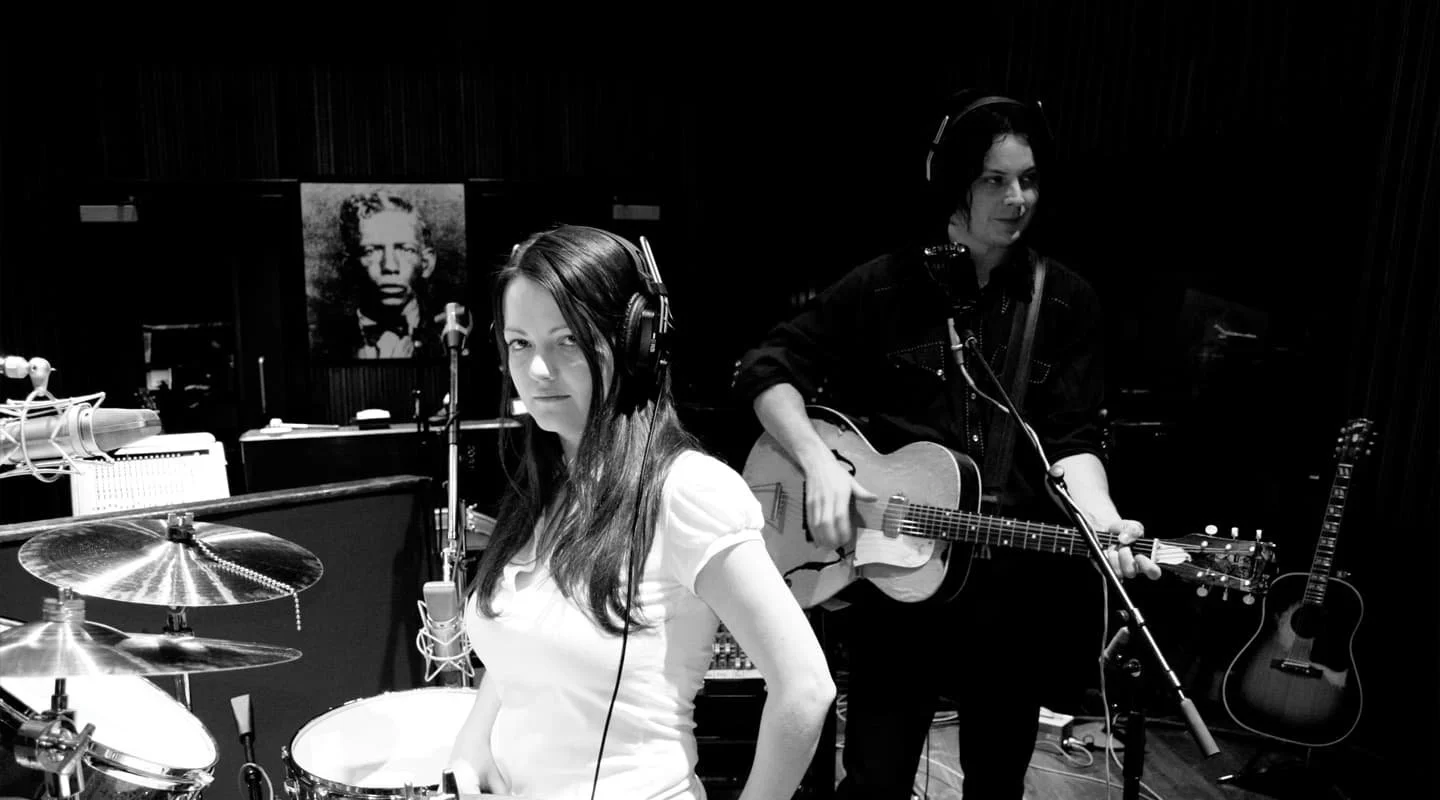
The White Stripes
Imagine two photographs. Both show the same person standing on the summit of a mountain. The clouds part behind them, the snow gleams, the view takes your breath away. The images are identical. Now imagine you learn that in the first photo, the person climbed for two months. They endured frostbite, exhaustion, the slow suffocation of altitude, the constant threat of avalanches. Every step was a battle against death. In the second photo, the person took a helicopter. They flew up in comfort, stepped out for five minutes, snapped the picture, and flew back to a hot meal. Do the two photographs mean the same thing? For most of us, they don't. The image is identical, but the value is completely different. The first photo contains struggle, perseverance, and the triumph of human will. The second contains a tourist with a camera. The result is the same, but the story transforms how we experience it.
This is the first layer of the argument. When technology is used as a tool, when it corrects, edits, and polishes, it still changes the nature of the achievement. The White Stripes weren't saying "our album sounds better than yours." They were saying "we climbed the mountain." They wanted listeners to know that the perfection they heard wasn't manufactured; it was earned.
But in the years since 2003, something deeper has shifted. The discussion has moved beyond editing tools to something far more profound. Artificial intelligence has entered the room. And unlike Pro Tools—which ultimately requires a human to operate it and make choices—AI doesn't need humans at all. Today, algorithms can generate entire songs from scratch. Melodies, harmonies, lyrics, vocals, production, all assembled by systems that have digested thousands of hours of existing music. You can type "write a jazz song about longing in the style of Coltrane" and receive a complete composition in seconds. No musician touched it. No human bled into it. This is no longer about correcting a performance. This is about replacing the performer entirely.
And this brings us to the second layer of the question: If a machine creates something indistinguishable from human art, does it matter? If the song sounds beautiful, if the lyrics resonate, if even experts can't tell the difference, should we care?
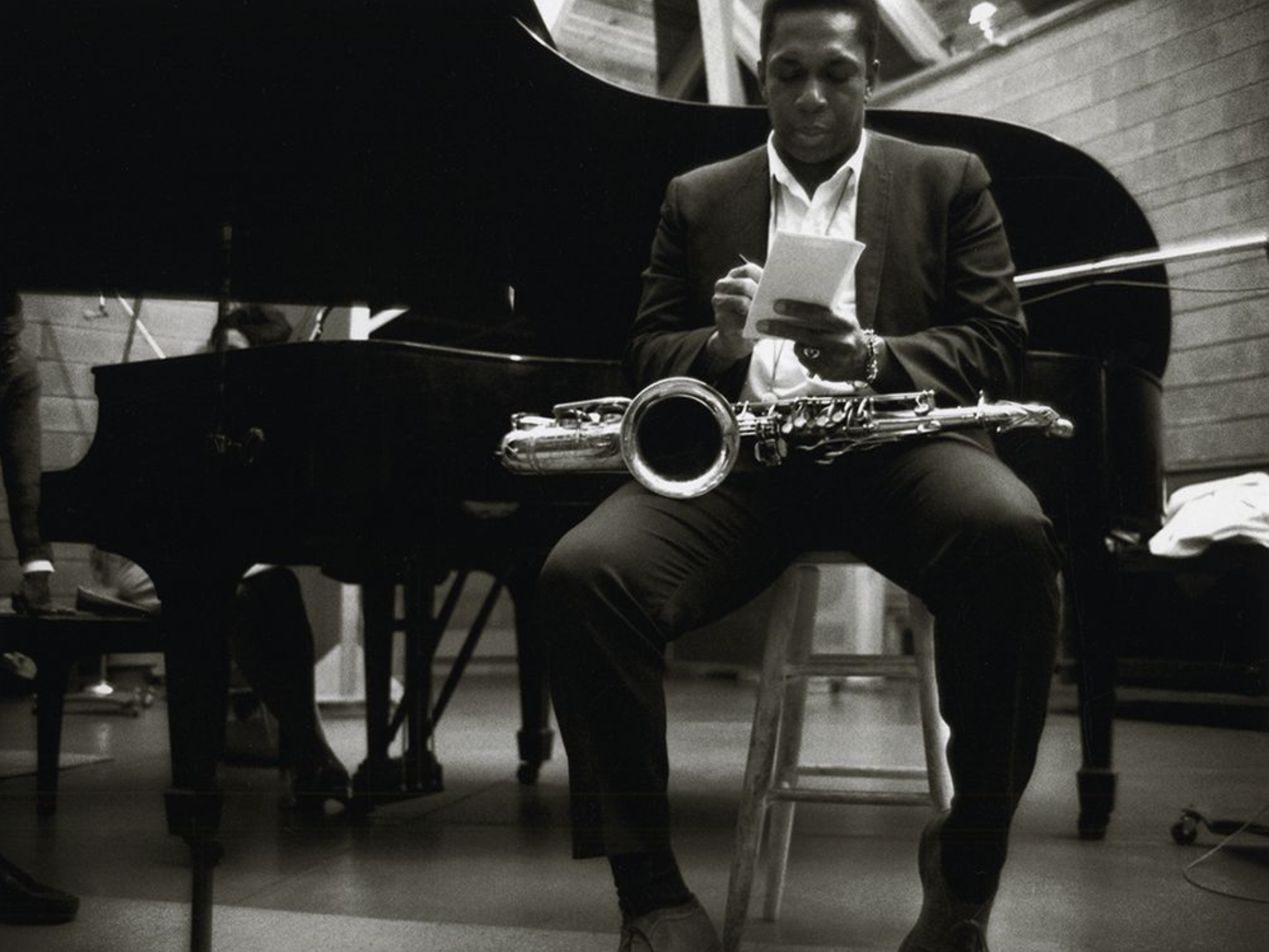
John Coltrane
Walk through any grocery store and you'll see labels: Non-GMO. Organic. Grass-Fed. No Antibiotics. No Animal Cruelty. Scientists will tell you that blind taste tests often show people cannot reliably distinguish organic from conventional food. If you put two steaks in front of someone—one from a factory farm, one from a pasture-raised animal—many people cannot taste the difference. The result is the same. And yet, the labels exist. And people pay more for them. Why? Because we don't just consume the result. We consume the story. We consume the ethics. We consume the relationship between the thing and its origin. When you choose the organic steak, you're not just buying protein. You're saying: I care about how this arrived on my plate. I care about the life that was lived. I care about the process behind the product. Even if you can't taste the difference, knowing changes everything.
This is where AI art sits today. A machine can generate a song. It might sound beautiful. It might move you to tears. But if you learn that no human wrote it, no human felt it, no human bled into those notes, does it change how you experience it? For some, yes. For others, maybe not. But here's what matters: you deserve the choice. You deserve to know.
Because ultimately, we have to ask a deeper question: Why do humans make art at all? Go back far enough to cavemen painting buffalo on stone walls by torchlight. Tribes gathering around fires, drumming on hollow logs, dancing until collapse, singing songs that tell the stories of their people. This wasn't entertainment. This was how we made sense of being alive. This was how we said: I am here. I feel things. I am not alone.
Think about a Black teenager in the early 90s, hearing A Tribe Called Quest for the first time. It wasn't just the beats. It wasn't just the rhymes. It was seeing Ali, Jarobi Q-Tip and Phife Dawg—their posture, their slang, their clothes, their joy and frustration radiating from the speakers. That teenager looks at them and thinks: That's me. Someone else feels what I feel. I exist in this world, and I am seen. That is the transmission. That is the human bond. It's a conversation between souls across time and space, saying: this is what it felt like to be alive when I was here.
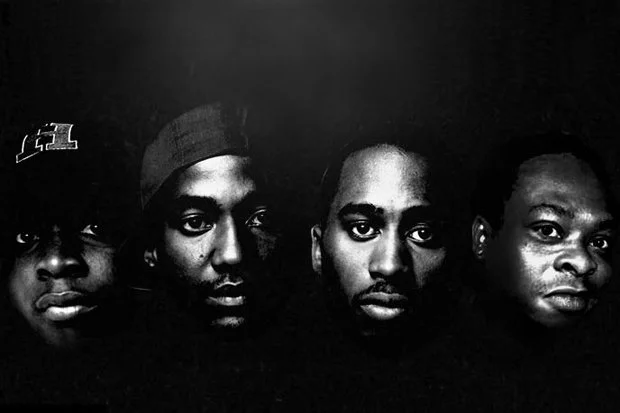
A Tribe Called Quest
AI cannot have that conversation. AI cannot feel alienation or joy or heartbreak. It can only simulate the symptoms of those feelings. It can arrange notes that sound sad, but it has never been sad. It can write lyrics about love, but it has never loved. The result might be perfect. The result might fool experts. But the process—the living, breathing, struggling human process—is absent. And for those who understand what art is for, that absence is everything.
Not everyone will care. We know this. Many people just want a song that sounds good, the way many people just want a steak that tastes good. And that's fine. There is no shame in consuming the result. But for those who do care, for those who want to taste the difference, who want to hear the breath between the notes, who want to know that the people on the recording actually climbed the mountain: you are not alone. You have a choice. There will always be a choice.
The White Stripes put that label on their album in 2003 because they wanted you to know: we did this. We climbed. No helicopters. Today, the machines are here, and they're getting better every day. But they will never stand around a fire. They will never dance until dawn. They will never paint a buffalo on a cave wall and hope the gods are watching. That's ours. That's human. And as long as there are people who care about the difference, it will never die.
“Why don’t you make a mistake and do something right?” - Sun Ra