The Silver Screen's Silent Score
How Cinema Breathed Life Into Sound
Before the needle drops, there is a flicker. In the hushed darkness of a theater, or the private cinema of the mind, images move first. They stir a quiet, urgent need. A need for a language beyond dialogue, a feeling beyond the frame. This is where music enters, not as an accompaniment, but as a breath, a shadow, a soul. The history of sound is, in many ways, a love letter to the light of the projector.
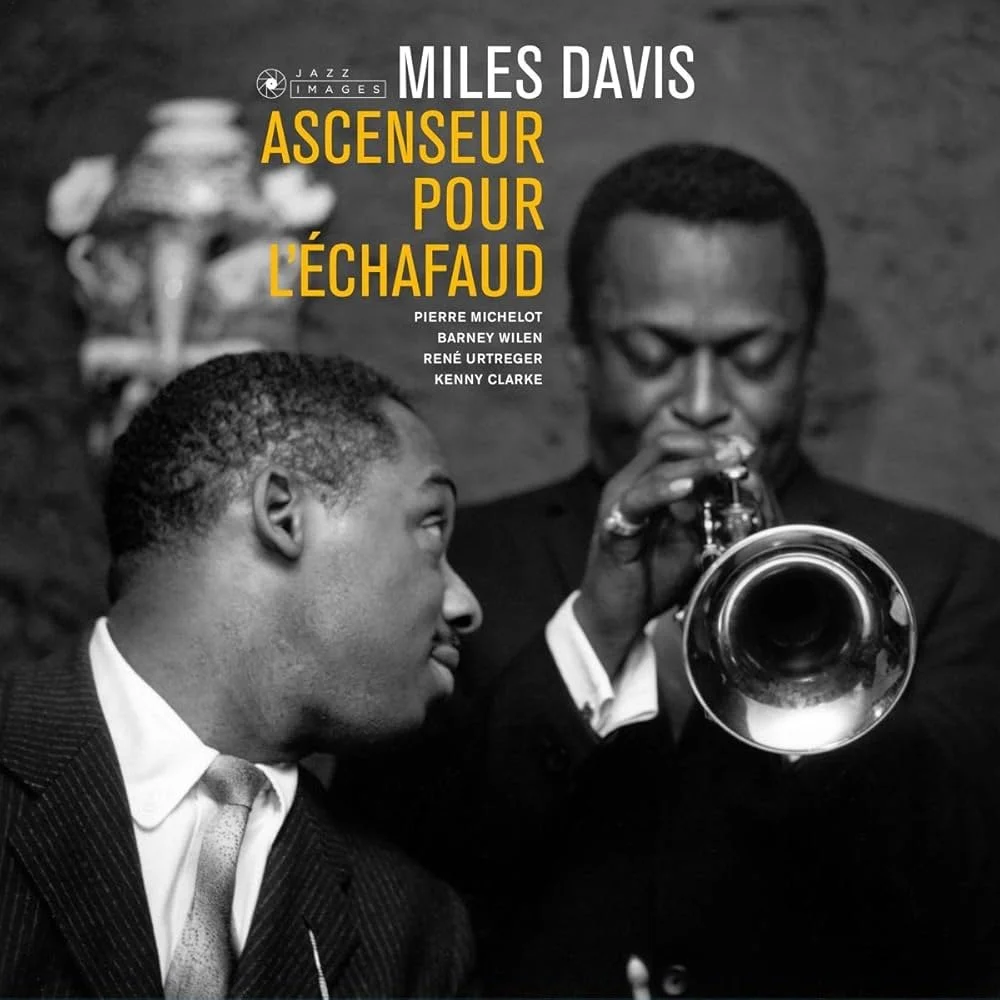
The alchemy happened in a New York studio, 1958. For the film L’Ascenseur pour l’Échafaud, Miles Davis did not write notes on a page. He watched. With the film’s suspenseful reels projected onto the studio wall, he and his ensemble lifted their horns and played to the images: the anxious walk, the trapped lover, the Parisian night. They breathed a single, continuous, improvised sigh into the story. The result was not a score behind the film, but its nervous system, its heartbeat laid bare in real-time. It proved that the deepest connection between sight and sound is not planned, but felt. A spontaneous combustion of mood, a conversation in the dark.
That conversation echoed south of the equador, finding its way to the rolling hills of Minas Gerais. In the early 1960s, a young Milton Nascimento and his first, and one of his most frequent songwriting partners, the poet Márcio Borges, sat in the dark of a Belo Horizonte cineclub, lost in François Truffaut’s Jules et Jim. Together, they watched it again and again, hypnotized by the tender, tragic cyclone of friendship and love between two men and the enigmatic Catherine. They did not see a foreign film; they saw their own landscape of longing. The free-flowing camaraderie, the unorthodox love, the haunting melancholy of time’s passage, it seeped into their creative bond. From that shared cinematic baptism emerged Clube da Esquina, one of Brasil’s first double albums. It was not a soundtrack, but a translation. The album’s sprawling, collaborative spirit, its weaving of rustic folk with psychedelic rock and soulful ache, became their own Jules, Jim, and Catherine, a monumental testament to the very friendship and artistic partnership that conceived it, forever captured in vinyl grooves instead of celluloid.
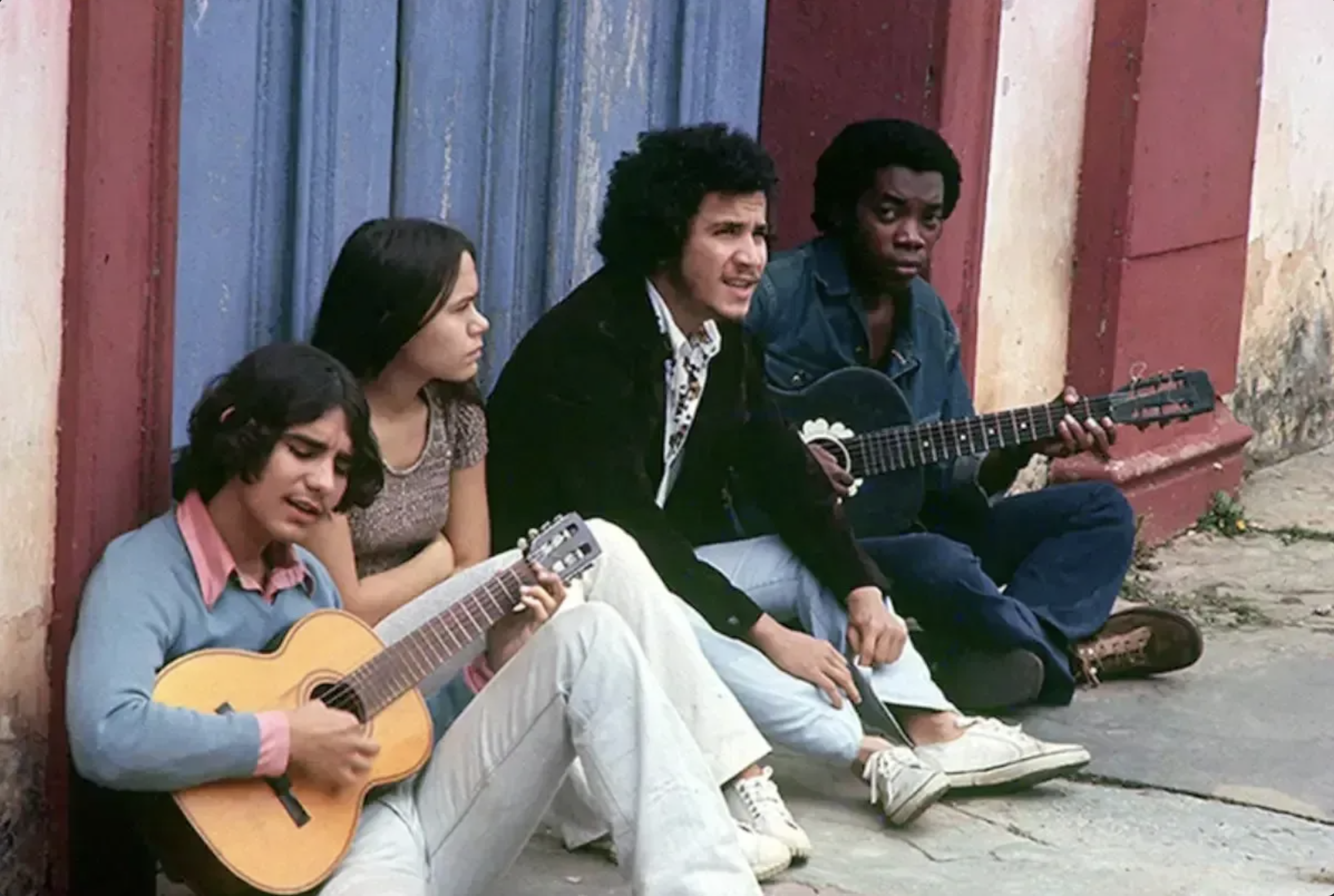
Lô Borges, Duca Leal, Márcio Borges and Milton Nascimento
As the 70s dawned, the screen widened into a canvas for identity and protest. In Shaft, Richard Roundtree walked through Harlem not just with swagger, but with a rhythm. Isaac Hayes’ legendary theme was his first footfall, his weapon cock, his knowing glance. The funk was not just music; it was the character’s essence, distilled into wah-wah guitar and swinging hi-hats—an audio manifesto of Black cool and power. Then came the wall. Pink Floyd’s The Wall blurred the lines entirely, building a harrowing narrative of alienation and fascism that was both film and album, each a mirror to the other. Roger Waters’ scorn for oppressive systems became a unified sensory assault, where the animation’s marching hammers struck in time with the music’s grim march. It was a warning cry that echoed from the record player to the cinema and into the streets, a testament to the unified power of mediums in rebellion.
“I always used to tell Márcio Borges that I played bass and sang, but I wasn’t a composer. He didn’t really accept that. One day we went to see the film Jules et Jim at the cinema, and I was fascinated by the music. Right afterwards, we went straight into the next showing. We watched the film several times that same day. I was inspired by that love and friendship, and right after we made three songs.”
As the 70s dawned, the screen widened into a canvas for identity and protest. In Shaft, Richard Roundtree walked through Harlem not just with swagger, but with a rhythm. Isaac Hayes’ legendary theme was Richard’s first footfall, his knowing glance. The funk was not just music; it was the character’s essence, distilled into wah-wah guitar and swinging hi-hats. It was an audio manifesto of Black cool and power. Then came the wall. Pink Floyd’s The Wall blurred the lines entirely, building a harrowing narrative of alienation and fascism that was both film and album, each a mirror to the other. Roger Waters’ scorn for oppressive systems became a unified sensory assault, where the animation’s marching hammers struck in time with the music’s grim march. It was a warning cry that echoed from the record player to the cinema and into the streets, a testament to the unified power of mediums in rebellion.
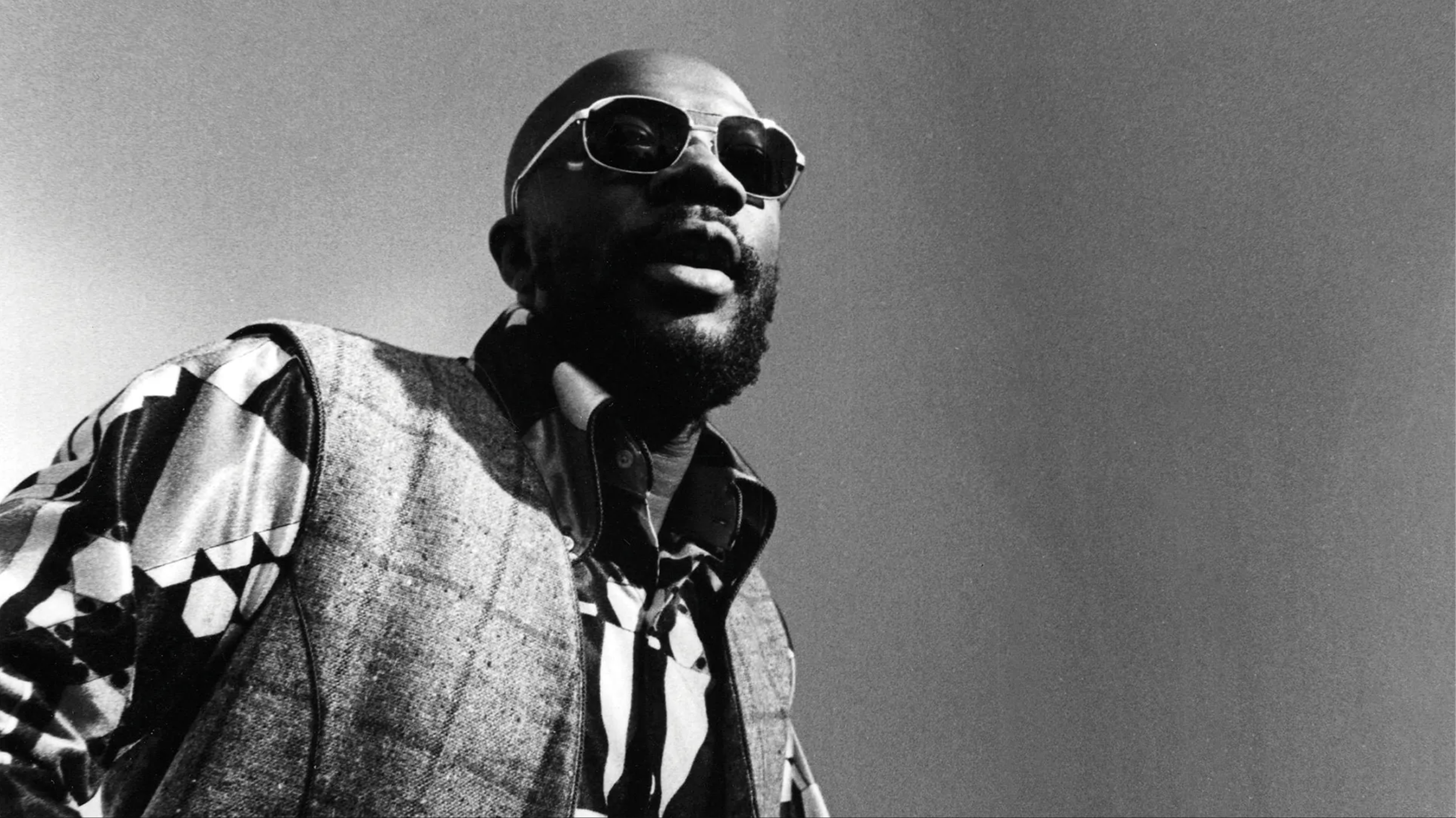
Isaac Hayes won the Oscar for Shaft
This dialogue between the street and the screen found its most visceral expression in 1991. John Singleton’s Boyz n the Hood did not simply use hip-hop; it was of it. The bass from passing cars thumped like the film’s distressed pulse. The lyrics of the songs articulated the hopes and rages that the characters, Tre, Ricky, and Doughboy, carried in their silences. The culture, with its poetry, its rhythm, its defiance, was the very soil from which the story grew. The music was not placed in the film; the film was harvested from the music.
From the live-wire improvisation of a jazz legend breathing with a French thriller, to the wistful Parisian love triangle that inspired a lifelong Brasilian partnership, to the funk-infused identity of a detective, to the granite wall of socio-political opera, and the rhythmic reality of South Central LA, each story whispers the same truth. Film gives music a scene to haunt. Music gives film a heart to beat. They are not allies, but secret sharers, forever dancing in the shared dark, teaching each other how to feel. So, as you listen, look closely. You might just see the flicker.